Lot Front Journal
Sustainable Land Development Strategies: Smart, Resilient Approaches to Infill, Green Infrastructure, and Community Alignment
By Mckenzie Keeling
Filed under: land development
Smart strategies for sustainable land development
Land development is shifting from simply maximizing parcel value to creating resilient, connected places that balance economic returns with environmental and social benefits. Projects that anticipate regulatory shifts, climate risks, and community priorities move faster through approvals and deliver longer-lasting value. Below are practical approaches and priorities for successful land development.
Start with context-sensitive site analysis
A thorough site analysis guides design and risk management. Map topography, soil types, floodplains, tree cover, and existing utility corridors. Prioritize soils and slopes to reduce cut-and-fill costs and limit erosion.
Identify any brownfield indicators—historic industrial use, buried tanks, or obvious contamination—and commission targeted testing early to avoid costly surprises during permitting.
Use infill and adaptive reuse to capture value
Infill development and adaptive reuse of existing buildings reduce infrastructure costs and attract market demand for walkable neighborhoods. Repurposing underused commercial or industrial sites can unlock tax incentives and qualify for remediation grants or low-cost financing.
Evaluate building structure and access to transit, services, and workforce housing to determine highest-and-best use.
Embrace low-impact development and green infrastructure
Stormwater management is no longer an afterthought. Low-impact development (LID) techniques—rain gardens, permeable pavements, bioswales, green roofs—manage runoff onsite and can lower municipal stormwater fees. Incorporating urban trees and pocket parks improves microclimate, raises property values, and supports biodiversity. Position green infrastructure as both compliance and marketing features.
Design for resilience and climate adaptability
Integrate resilience into master plans by locating critical infrastructure outside hazard zones, elevating utilities where needed, and using flood-tolerant landscaping. Consider phased development that allows for incremental investment in resilient systems like microgrids, water reuse, and stormwater detention. A resilience strategy reduces long-term operating costs and improves insurance considerations.
Navigate zoning and policy tools strategically
Understand local comprehensive plans, zoning overlays, and form-based codes to unlock density bonuses, expedited review, or transfer of development rights (TDR).
Engage with planning staff early to align proposals with policy objectives—affordable housing, transit-oriented development, or conservation.
Where needed, assemble evidence for rezoning by documenting market demand, fiscal impacts, and community benefits.
Engage stakeholders early and transparently
Community engagement reduces opposition and accelerates permitting. Host design workshops, present clear benefits (jobs, affordable units, open space), and be responsive to concerns about traffic and services.
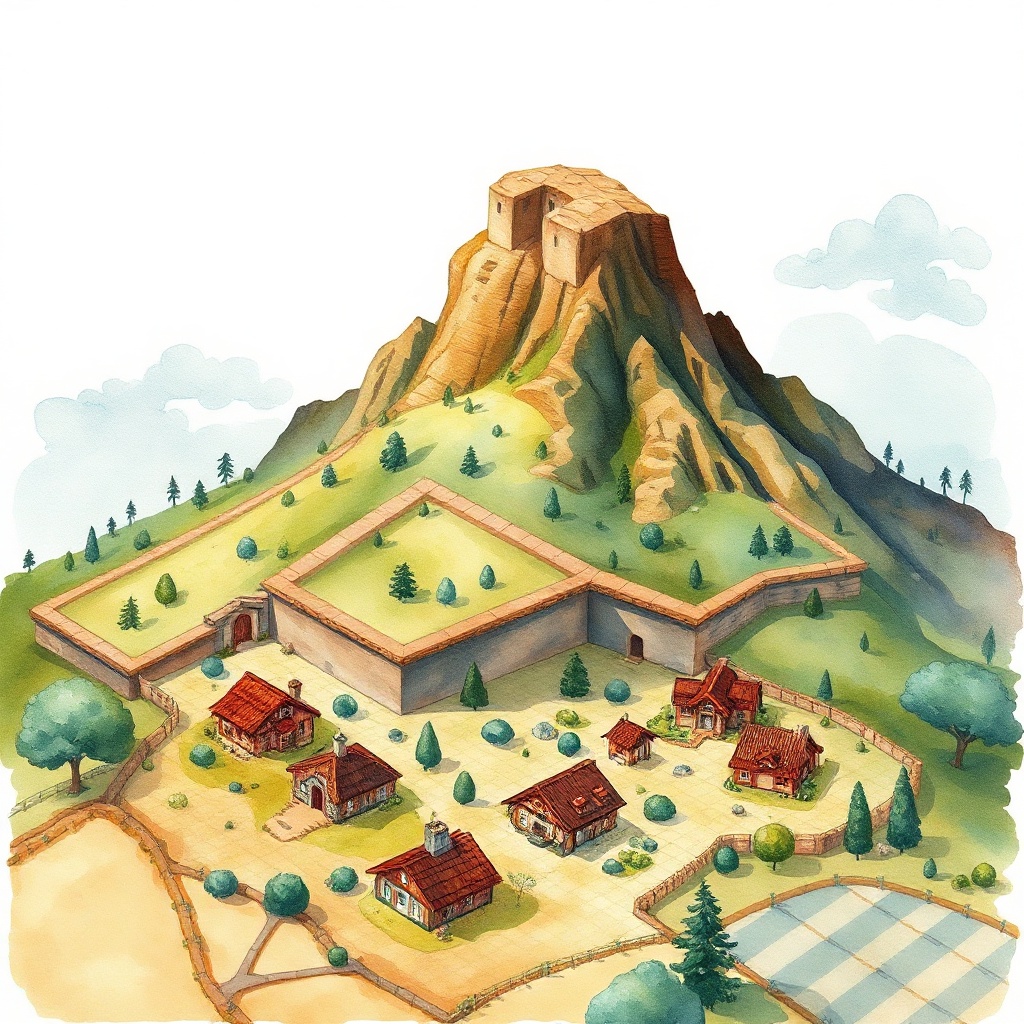
Collaborative design often yields better outcomes and can convert potential opponents into allies.
Optimize financing and delivery models
Explore public-private partnerships, tax credit programs, and green bonds to support complex projects.
Phased construction lowers upfront capital requirements and allows market absorption. Consider value-capture mechanisms—special assessment districts, developer fees tied to public improvements—to finance infrastructure without stalling development.
Prioritize performance monitoring and lifecycle thinking
Specify measurable performance targets for energy, water, and stormwater, and monitor post-occupancy to verify performance and inform future projects. Lifecycle cost analysis often favors higher-quality materials and systems that lower operating costs and increase asset longevity.
Quick checklist for successful land development
– Conduct comprehensive environmental and geotechnical assessments early
– Prioritize infill and adaptive reuse where feasible
– Integrate green infrastructure for stormwater and heat mitigation
– Align proposals with local planning objectives and zoning incentives
– Engage communities with transparent, solution-oriented outreach
– Use phased development and diverse financing tools
– Monitor post-construction performance and adapt as needed
Well-executed land development blends technical rigor with community-minded design, unlocking long-term value while managing risk. Focusing on context, resilience, and stakeholder alignment helps projects clear regulatory hurdles and create places people want to live, work, and invest in.