Lot Front Journal
Maximize Home Resale Value: Energy-Efficient Upgrades, Flexible Living Spaces, and Smart Tech Buyers Want
By Mckenzie Keeling
Filed under: property
Property buyers and sellers are navigating a market shaped by new lifestyle priorities, higher utility costs, and rising interest in sustainability. Whether you’re preparing a home for sale or planning long-term improvements, focusing on energy efficiency, adaptable living spaces, and smart technology can improve comfort and increase resale appeal.
Why energy efficiency matters
Energy-efficient homes appeal to cost-conscious buyers and renters because they deliver lower utility bills and greater comfort. Upgrades such as improved insulation, high-performance windows, LED lighting, and modern HVAC systems reduce running costs and help homes maintain stable indoor temperatures. Electrification—replacing fossil-fuel appliances with efficient electric options—also attracts buyers looking to future-proof their homes as utilities and regulations evolve.
Smart, high-impact upgrades
Not every project requires a full renovation. Targeted improvements often offer the best return on investment and immediate lifestyle benefits:
– Insulation and air-sealing: Simple measures like sealing gaps, adding attic insulation, and upgrading weather-stripping can significantly reduce drafts and heating/cooling loads.
– HVAC and heat-pump systems: Replacing an aging furnace with an efficient heat pump or modern HVAC system lowers energy use and is attractive to buyers seeking long-term savings.
– Windows and doors: Replacing or restoring windows and doors improves energy performance and curb appeal.
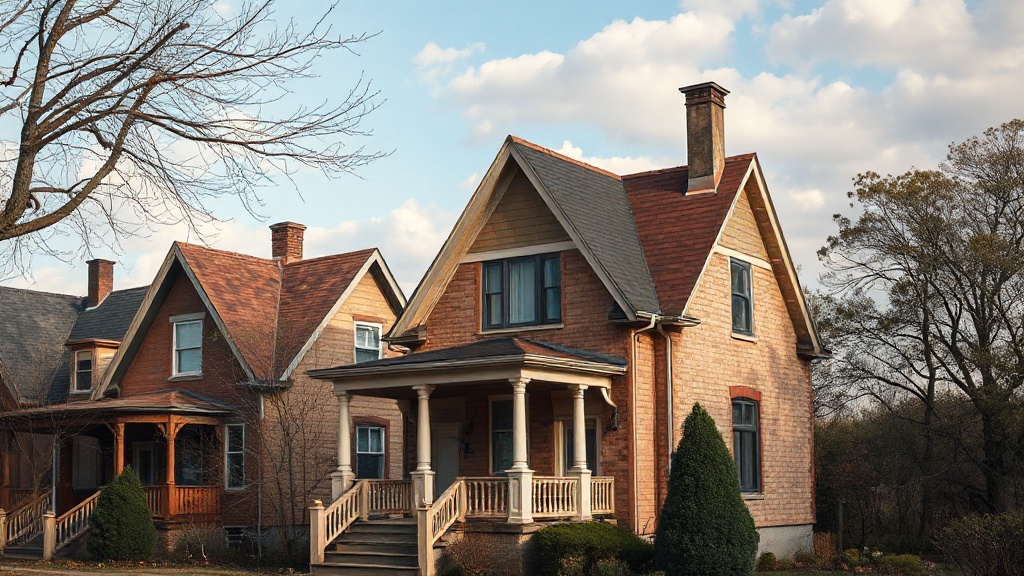
Even adding storm windows or low-e coatings can help.
– Smart thermostats and lighting: These relatively low-cost upgrades enhance convenience, reduce energy waste, and signal to buyers that the home is modern and easy to manage.
– Solar and battery storage: When feasible, solar panels (and paired battery systems) can lower electricity bills and increase marketability, especially in regions with favorable solar adoption.
Flexible living spaces for a new normal
Remote and hybrid work patterns have altered how people use homes. Buyers increasingly look for flexible spaces that can serve as home offices, remote-learning areas, or multi-use rooms.
Converting a spare bedroom or underused space into a dedicated, well-lit workspace—ideally with good connectivity—can increase a property’s appeal.
Consider built-in storage and soundproofing to boost functionality without expensive structural changes.
Curb appeal and low-maintenance landscaping
First impressions remain powerful. Curb appeal doesn’t require lavish spending: fresh paint on the front door, well-maintained walkways, and tidy landscaping communicate care. Low-maintenance, drought-tolerant plantings and efficient irrigation systems are attractive to buyers seeking both beauty and reduced upkeep.
Regulatory and market awareness
Short-term rental rules, energy-code updates, and local incentives for electrification or solar can affect property values and renovation priorities. Check local regulations and available rebates or tax credits before starting projects; incentives can shift the cost-benefit balance in favor of certain upgrades.
Preparing to sell or invest
When preparing a property for sale, prioritize projects that reduce buyer friction and highlight long-term savings: address obvious maintenance issues, create a staged flexible workspace, and invest in a few energy-efficient upgrades.
For long-term owners, focus on durability and lower operating costs—materials and systems that hold up with minimal intervention tend to protect value over time.
Small investments with smart planning can yield outsized returns. By matching upgrades to local market preferences and emphasizing energy efficiency, flexibility, and low maintenance, property owners can enhance both livability and appeal to future buyers.