Lot Front Journal
Boost Home Value with Smart, Sustainable Upgrades: Energy-Efficient, High-ROI Improvements
By Mckenzie Keeling
Filed under: property
How to Boost Property Value with Smart, Sustainable Upgrades
Property buyers are increasingly prioritizing efficiency, comfort, and low operating costs. Making targeted sustainable upgrades can improve marketability and net worth while reducing ongoing expenses. Focus on high-impact changes that appeal to modern buyers and deliver a strong return on investment.
Energy-efficient upgrades that buyers notice
– Replace old windows: High-performance windows improve comfort, reduce drafts and lower heating and cooling demands. Choose double- or triple-pane options with low-emissivity coatings for the best balance of performance and cost.
– Improve insulation: Adding insulation in attics, walls and crawlspaces reduces energy loss and improves year-round comfort. Insulation upgrades are especially noticeable in climates with wide temperature swings.
– Upgrade HVAC systems: A high-efficiency furnace, heat pump, or air conditioner can significantly reduce utility bills and is a major selling point. Include professional maintenance records to reassure buyers.
– Switch to efficient lighting: LED bulbs and fixtures cut energy use and are inexpensive to install. Upgrading to LEDs in kitchens, bathrooms and outdoor lighting pays off quickly.
Water efficiency and hardscape improvements
– Install low-flow fixtures: Faucets, showerheads and toilets that reduce water use are easy to install and attractive to eco-conscious buyers.
– Optimize irrigation: Smart irrigation controllers and drip systems minimize water waste and keep landscaping healthy with less manual effort.
– Permeable paving and rain gardens: These curbside improvements manage runoff, improve drainage and can be marketed as environmentally responsible features.
Air quality, smart features and healthy-home upgrades
– Improve ventilation and filtration: Mechanical ventilation systems and high-quality air filters reduce allergens, odors and indoor pollutants—important for health-minded buyers.
– Add smart thermostats and controls: Smart thermostats, lighting and leak detectors add convenience and can reduce operating costs.
They also convey a modern, well-maintained property.
– Use low-VOC materials: Paints, finishes and flooring with low volatile organic compounds make interiors feel fresher and more appealing during showings.
Curb appeal and landscaping
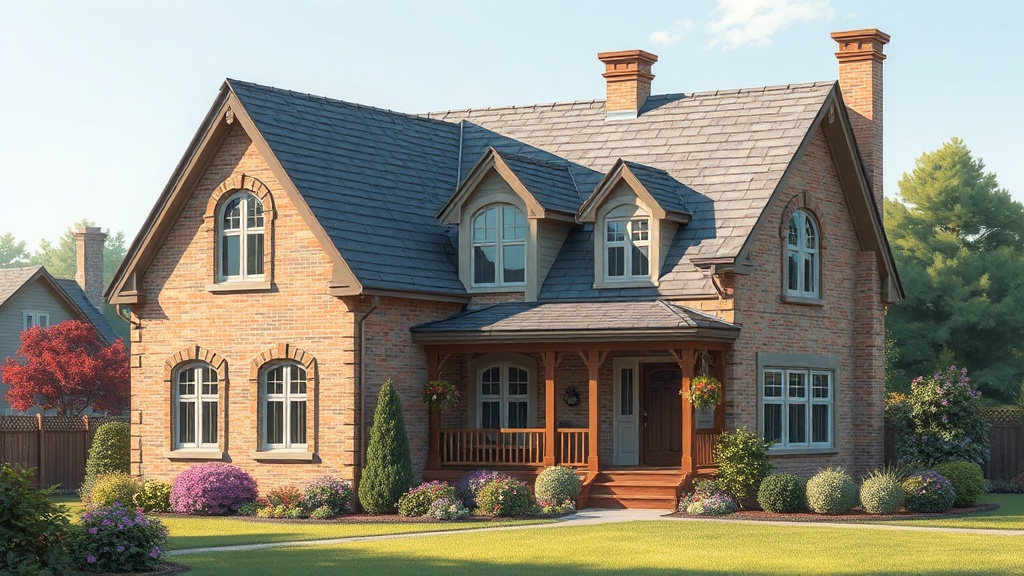
First impressions still matter. Fresh exterior paint, a tidy lawn, well-placed lighting and an attractive entryway increase perceived value more than many interior projects. Native and drought-tolerant plantings lower maintenance and appeal to sustainability-minded buyers.
Certifications and documentation that matter
Energy and sustainability certifications can help your property stand out. ENERGY STAR labels, local green building programs or home energy audit reports provide objective proof of performance. Keep receipts, warranties and maintenance records in a folder to share with prospective buyers.
Prioritize projects for best results
– Start with diagnostics: A professional home energy audit identifies the most cost-effective improvements and helps prioritize spending.
– Combine visible and functional upgrades: Pairing curb appeal fixes with energy upgrades creates both emotional and practical appeal.
– Balance budget and market expectations: In many neighborhoods, low- to mid-cost upgrades with clear benefits outperform expensive, niche renovations.
Marketing the improvements
When listing the property, highlight reduced operating costs, documented performance (audit reports or utility savings) and smart home features. Use clear language that buyers understand—terms like “lower utility bills,” “improved comfort,” and “low-maintenance landscaping” resonate broadly.
A strategic mix of sustainable improvements preserves resources and enhances resale potential.
By focusing on energy, water, air quality and curb appeal—and backing claims with documentation—properties become more competitive while delivering long-term savings for occupants.